
When working with Microwave Safety, the practice of using a microwave oven without risking injury, fire, or food contamination. Also known as microwave use safety, it covers the right habits, set‑up rules, and everyday checks. Microwave safety isn’t a mystery – it starts with knowing the tool. A microwave oven, a kitchen appliance that cooks food using electromagnetic waves works by exciting water molecules, so temperature spikes can happen fast. That means you need to respect kitchen safety, the set of precautions that keep hazards away from cooking areas as a broader context. If you ignore the way electromagnetic radiation, the energy form microwaves use to heat food interacts with containers, you risk leaks, burns, or even reduced appliance lifespan. In short, microwave safety encompasses proper cooking guidelines, awareness of radiation effects, and basic kitchen safety habits – all three link together to keep your meals and home risk‑free.
First, always choose containers labeled microwave‑safe. Plastic that isn’t tested can melt or leach chemicals when heated by the microwave oven. Glass and ceramic are usually safe, but check for metal trims that can spark. Second, understand power levels. High power (100%) is great for quick reheats but can overcook the edges of food, leaving cold spots where bacteria survive. Using medium or low settings for dense dishes spreads heat evenly, which ties back to the cooking guidelines that protect you from foodborne illness. Third, cover food with a vented lid or microwave‑safe paper. The steam stays inside, reducing splatter, and the lid prevents superheated liquids from erupting – a common cause of burns. Fourth, keep the interior clean. Food residues absorb energy and can cause smoking or fire, turning a convenient appliance into a hazard. Finally, consider placement. The microwave should sit on a stable, heat‑resistant surface with enough clearance for ventilation; cramped spaces can trap heat, shorten the unit’s life, and increase fire risk. All these factors illustrate how microwave safety requires a blend of equipment knowledge, proper cooking methods, and broader kitchen safety practices.
Now that you know the basics, you’ll see why each article in our collection builds on these ideas. Some pieces dive deeper into choosing the right microwave model, others explain how to test whether a container is truly microwave‑safe, and a few cover child‑proofing tips for busy families. By reading on, you’ll get actionable steps, real‑world examples, and quick checklists that turn theory into daily habits. Below you’ll find the curated list of posts that expands each point, helping you stay safe, save time, and enjoy hassle‑free cooking with confidence.
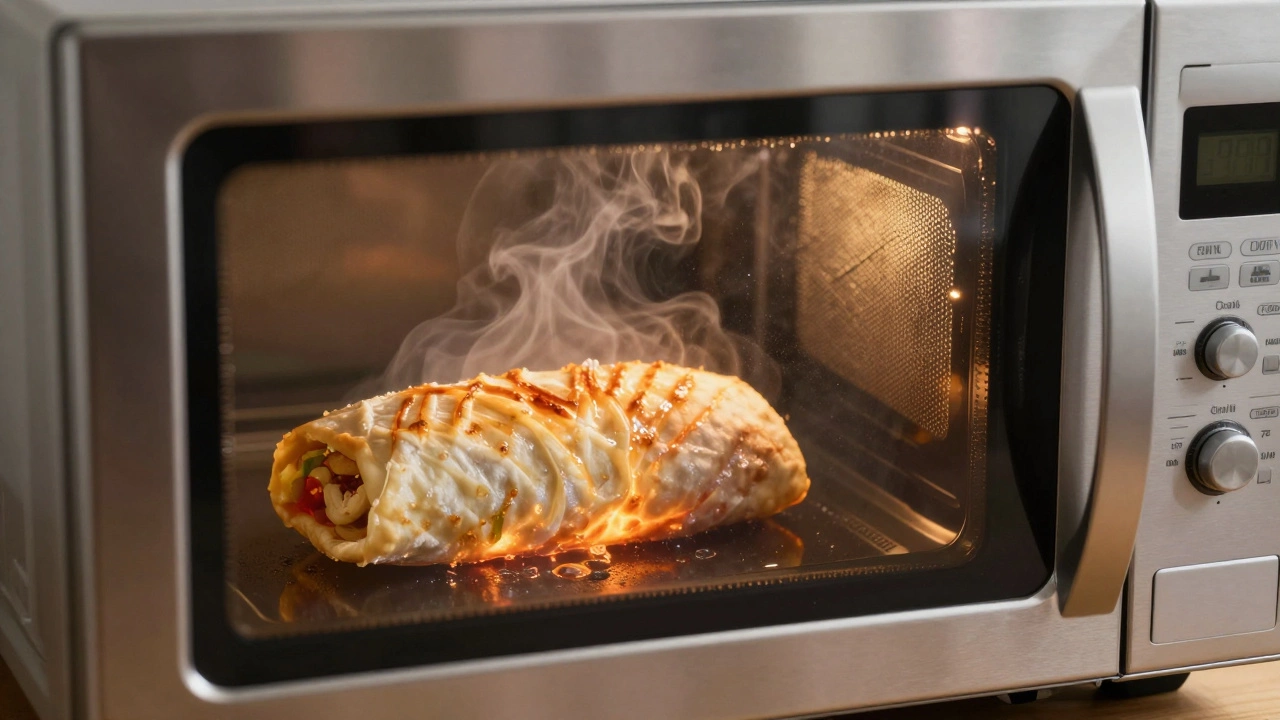
Microwave ovens are fast and convenient, but they don't brown food, kill all bacteria, or cook evenly. Learn the real limits of microwaves and how to use them safely and effectively.
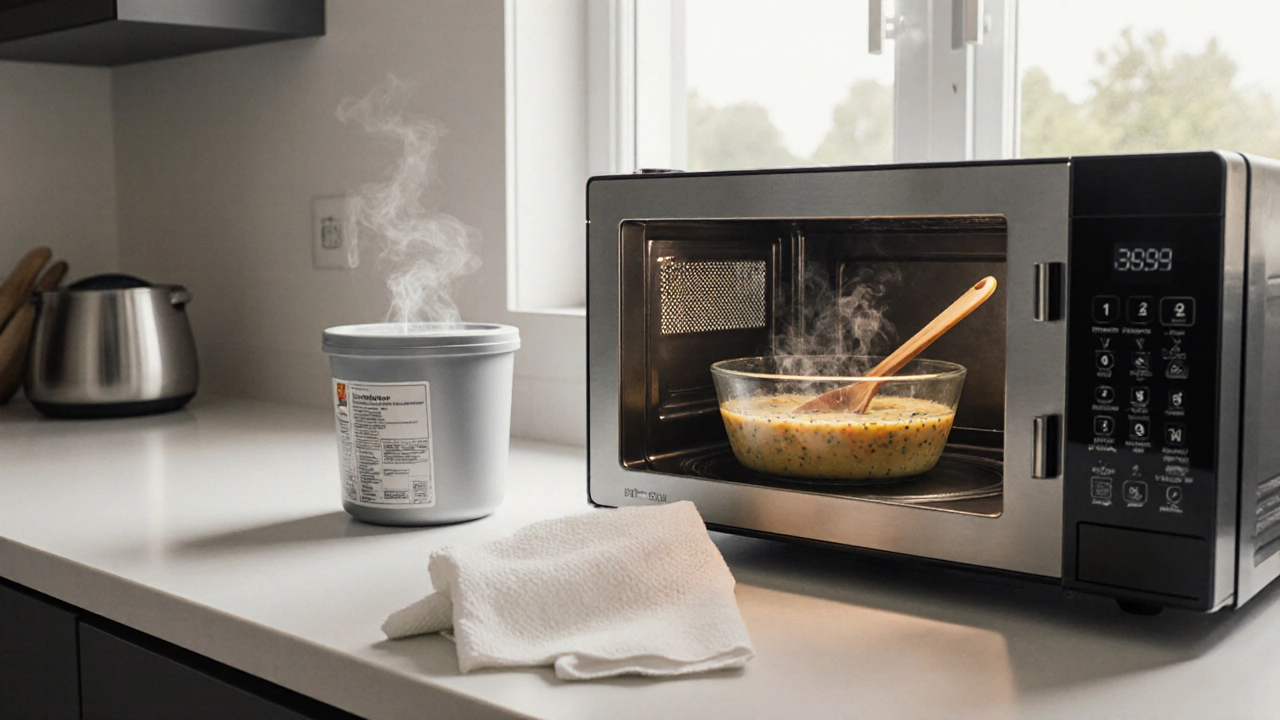
Learn the real do's and don'ts of using a microwave oven to avoid accidents, save time, and cook food safely. No myths-just practical tips based on how microwaves actually work.
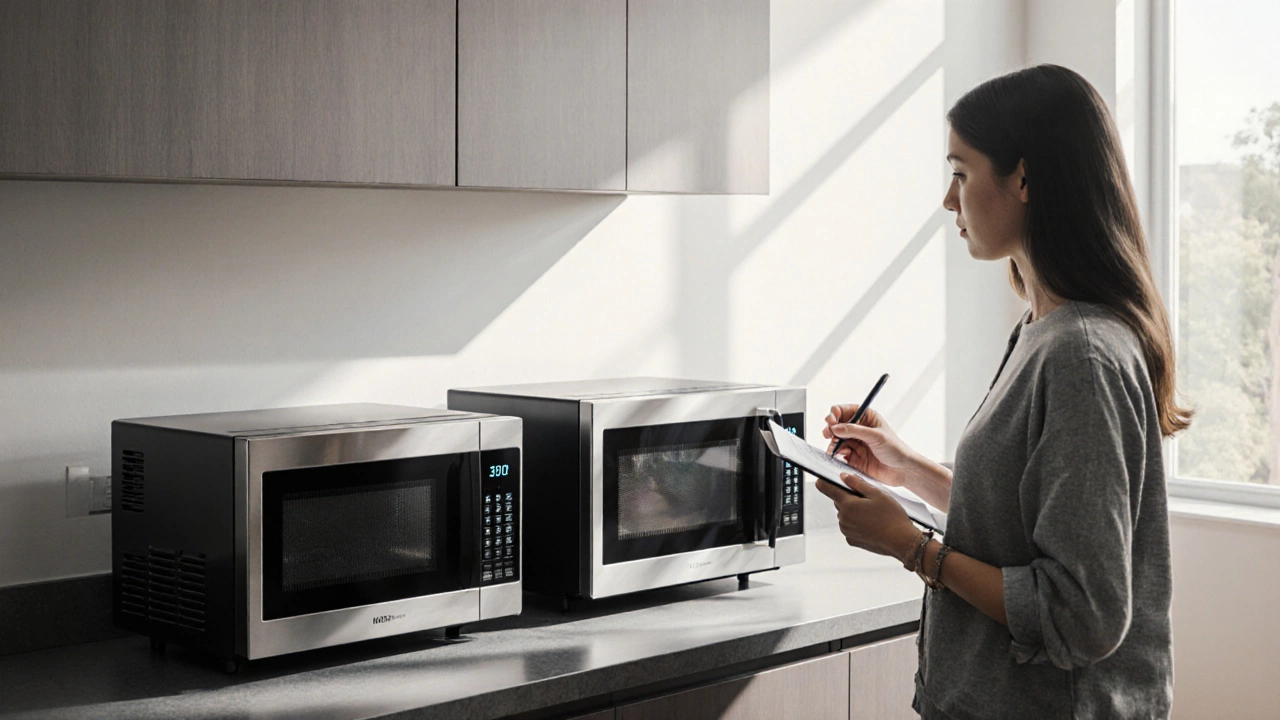
Learn practical do's and don'ts for microwave ovens, from choosing the right model to safe container use, power settings, cleaning, and common pitfalls.