
When you think about buying an espresso machine, a kitchen appliance designed to brew concentrated coffee using pressurized hot water. Also known as a coffee espresso maker, it’s not just a gadget—it’s the centerpiece of your morning routine if you love café-quality coffee at home. But here’s the thing: the price tag doesn’t tell the whole story. You can find machines under £100, but do they actually make decent espresso? Or are you paying £800 for a machine that just looks fancy? The espresso machine cost varies wildly, and what you get for your money depends on more than just the brand name.
There’s a big difference between a basic pump-driven espresso machine, a type of machine that uses an electric pump to force water through coffee grounds at high pressure and a semi-automatic espresso machine, a model that lets you control grind, tamping, and brew time manually for better flavor control. The first might brew something hot and strong, but it won’t give you the crema, temperature stability, or consistency you want. The second? That’s where real coffee lovers start. And then there are super-automatic espresso machines, fully automated systems that grind, tamp, brew, and even steam milk with the push of a button—perfect if you want café-style drinks without learning the craft. Each type has a different price point, maintenance need, and learning curve.
Most people don’t realize that the machine is just the start. You’ll also need to budget for a good grinder—because pre-ground coffee ruins espresso. A decent burr grinder adds £50 to £200 to your total. Then there’s water quality, cleaning tablets, milk frothing pitchers, and even a scale to measure your coffee dose. If you skip these, your £300 machine might as well be a fancy kettle. And let’s not forget long-term costs: descaling every few weeks, replacing seals, or repairing pumps. A cheap machine might save you cash now, but it could cost you twice as much in replacements within two years.
What you’re really paying for is control, consistency, and durability. A £150 machine might get you a shot, but it won’t let you tweak pressure or temperature. A £500 machine gives you room to grow—better steam wands, adjustable brew groups, and thermal stability that keeps your coffee tasting the same every time. And if you’re serious about coffee, that’s worth it. You don’t need to spend £1,500 on a commercial-grade unit, but going too cheap means you’ll end up frustrated—and probably buying another one soon.
Below, you’ll find real-world reviews and breakdowns of what actually works, what doesn’t, and which machines deliver real value for your budget. Whether you’re looking for your first machine or upgrading from a pod system, these posts cut through the noise and show you exactly what to expect—no fluff, no hype, just what matters for your coffee and your wallet.
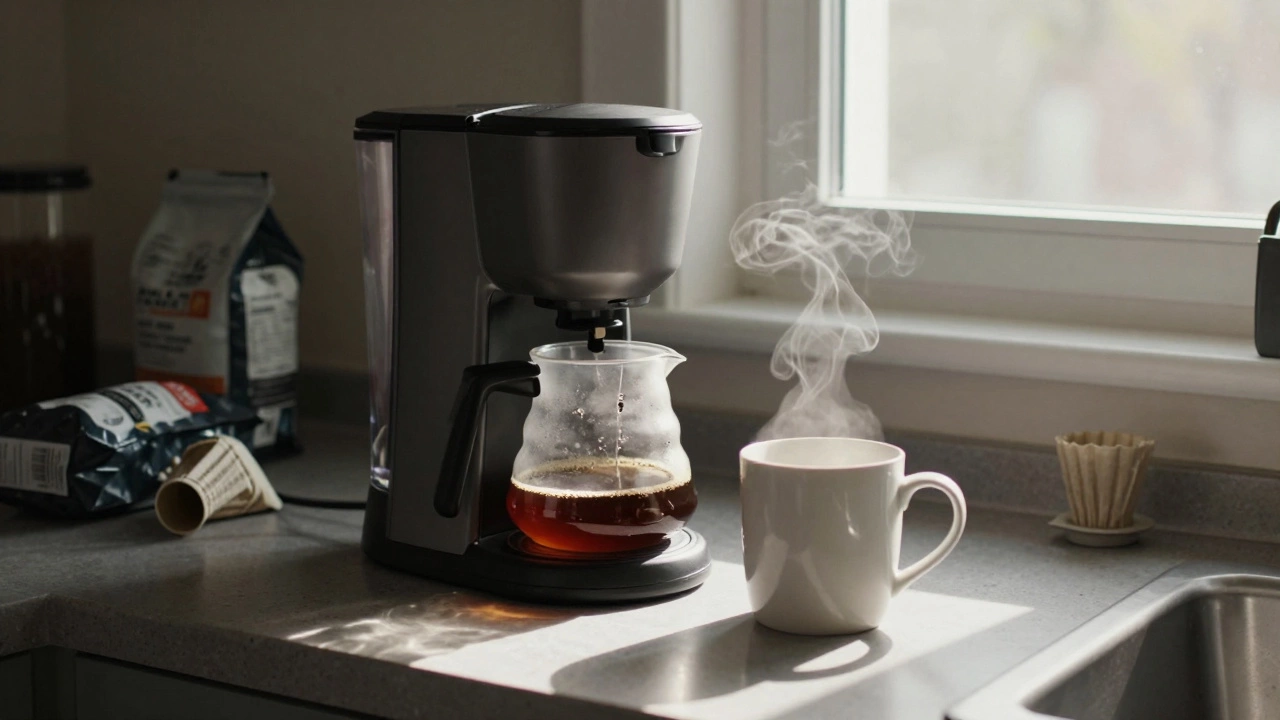
Learn how much to spend on a coffee maker based on your usage, coffee habits, and long-term value. Avoid overpaying for features you don't need and find the best price for real quality.