
When you buy a drip coffee maker, a countertop appliance that brews coffee by dripping hot water through ground beans. Also known as a automatic coffee maker, it’s one of the most common kitchen gadgets in UK homes—simple, reliable, and usually affordable. But not all drip coffee makers are the same. The price can jump from £20 to £200, and what you get in between isn’t just about brand names—it’s about how well it heats water, how long it keeps coffee hot, whether it’s easy to clean, and if it even matters that it has a programmable timer.
Most people assume a higher price means better coffee, but that’s not always true. A £30 model can brew just as good a cup as a £150 one if it heats water to the right temperature (between 90°C and 96°C, by the way). What really drives the cost up? Things like thermal carafes instead of glass ones, built-in grinders, smart connectivity, or fancy designs that don’t improve taste at all. If you’re just brewing for yourself or a partner, skip the bells and focus on the basics: a good filter system, a sturdy build, and a carafe that doesn’t leak. Brands like Cuisinart, Krups, and Bosch often deliver solid performance at mid-range prices—no need to pay extra for a logo.
And don’t forget the hidden costs. A cheap drip coffee maker might save you £50 upfront, but if it breaks in a year, you’re better off spending a little more now. Look for models with at least a one-year warranty. Also, check if replacement filters or water reservoirs are easy to find. Some brands lock you into proprietary parts, which means you’re stuck paying more later. The best time to buy? Black Friday, Amazon Prime Day, or right after Christmas when stores clear out last year’s models. Refurbished units from trusted sellers often come with full warranties and cost 30-50% less.
Size matters if you live in a small kitchen. A compact 4-cup model fits better than a 12-cup beast you only use half of. Programmable timers are handy if you want coffee ready when you wake up, but they’re useless if you can’t figure out the menu. Auto-shutoff is a safety must—no one wants a fire risk because they forgot to turn it off. And if you use hard water, look for models that make descaling easy. Scale buildup kills coffee makers faster than anything else.
Most of the posts below dig into real-world problems people run into—why some coffee makers leak, why others take forever to brew, or why a £100 model feels cheaper than a £40 one. You’ll find honest breakdowns of what works, what doesn’t, and where to stretch your pound without ending up with a broken appliance gathering dust. Whether you’re upgrading from a basic pot or shopping for your first machine, you’ll see exactly what features matter—and which ones are just marketing noise.
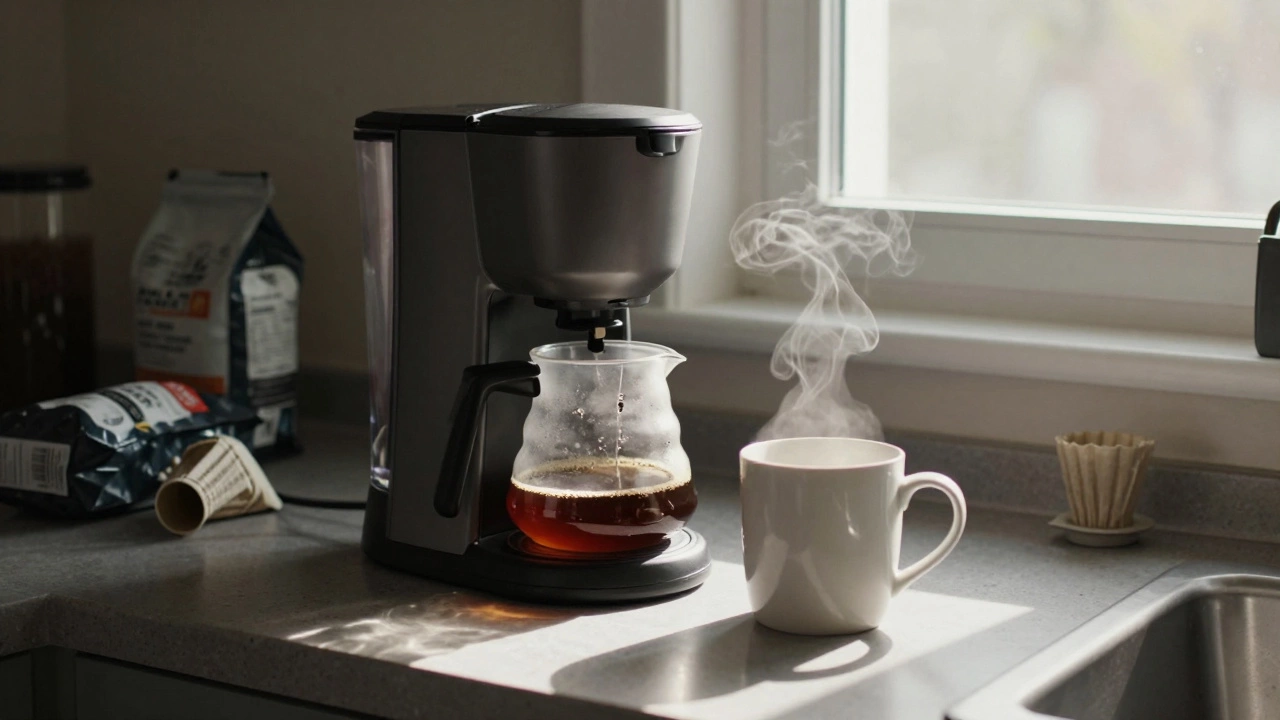
Learn how much to spend on a coffee maker based on your usage, coffee habits, and long-term value. Avoid overpaying for features you don't need and find the best price for real quality.