
When your basement feels sticky, windows fog up in the morning, or you smell musty air, you’re dealing with too much humidity, the amount of water vapor in the air. This is where a dehumidifier, a device that removes excess moisture from indoor air. Also known as a moisture extractor, it’s not just for basements—it’s a quiet hero in bathrooms, laundry rooms, and even bedrooms in damp climates.
A dehumidifier works by pulling air over cold coils, turning water vapor into liquid that collects in a tank or drains out. It’s not an air conditioner—it doesn’t cool the room, but it makes the air feel cooler by reducing stickiness. In places like the UK, where damp weather is common, a dehumidifier can stop mold from growing on walls, prevent mildew in closets, and protect furniture and books from warping. People with allergies often notice fewer sneezes and itchy eyes because dust mites and mold spores can’t thrive in dry air.
You don’t need a whole-house system to get results. Many households use a portable dehumidifier, a compact, plug-in unit that moves easily between rooms for targeted relief. These units range from small 10-pint models for bathrooms to 50-pint machines for damp basements. Some even come with built-in humidistats so they turn off automatically when your ideal moisture level is reached. Others have washable filters, quiet modes for bedrooms, or even smart features that let you monitor levels from your phone.
But a dehumidifier isn’t just about comfort—it’s about protection. Too much moisture invites mold, which can damage drywall, rot wood, and trigger respiratory issues. It also makes your air conditioner work harder, raising your energy bills. By keeping humidity between 30% and 50%, you’re not just making your home feel better—you’re saving money and extending the life of your belongings.
What you’ll find below are real reviews and guides on choosing the right dehumidifier, where to place it for maximum effect, how to maintain it, and what models actually deliver on their promises. No fluff. Just clear, practical advice from people who’ve dealt with damp walls, musty towels, and stubborn condensation. Whether you’re fighting a basement problem or just want drier, fresher air, these posts will help you make sense of it all.
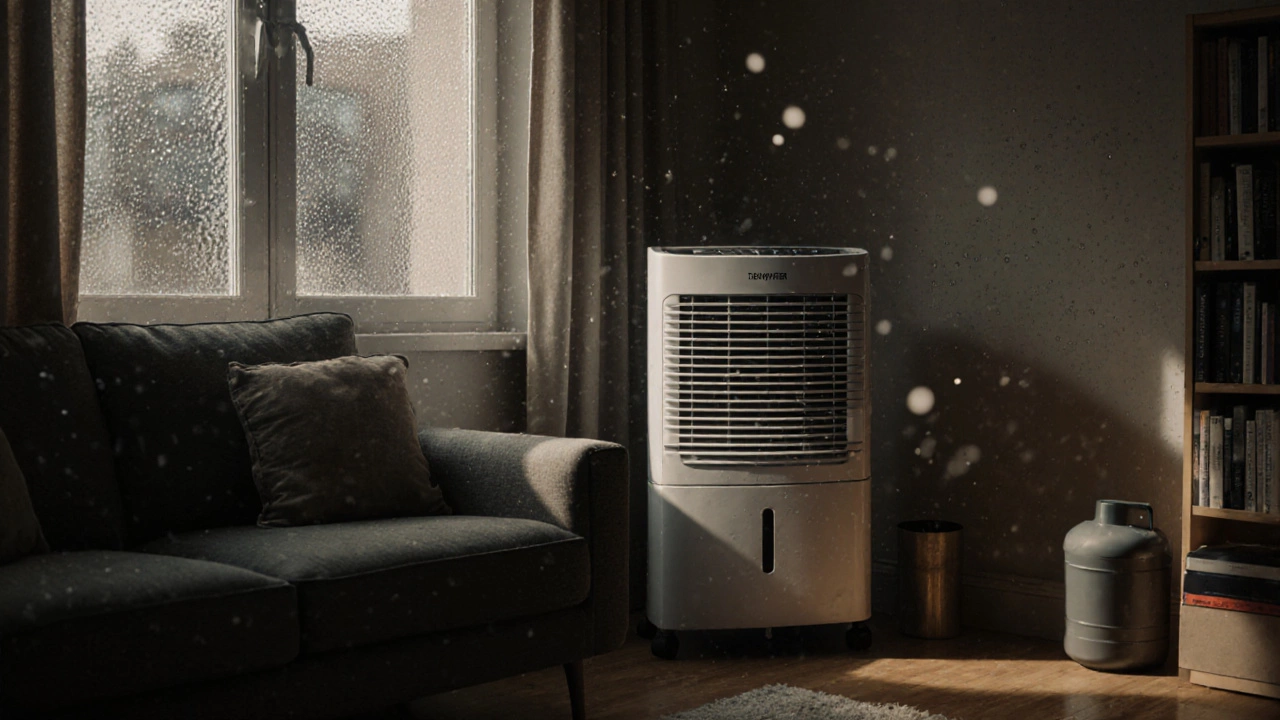
Air purifiers remove airborne particles like dust and pollen, while dehumidifiers reduce moisture to prevent mold. Learn which one you actually need based on your home’s conditions.