
When you use a microwave, dishwasher, or range hood, you’re not just cooking or cleaning—you’re also managing venting, the process of removing heat, steam, smoke, or odors from an appliance to maintain safety and performance. Also known as exhaust ventilation, it’s the quiet system that keeps your kitchen from turning into a sauna or a smoke trap. Without proper venting, moisture builds up, mold grows, and appliances overheat. It’s not just about comfort—it’s about safety and longevity.
Many people don’t realize that microwave venting, the way a microwave expels steam and heat during cooking can be built-in or ducted to the outside. Some models just recirculate air through a filter, which works for small spaces but doesn’t remove grease or strong smells. Then there’s dishwasher venting, the system that releases hot, humid air after a wash cycle. If it’s blocked or malfunctioning, you’ll notice lingering odors, wet dishes, or even water damage under the cabinet. And let’s not forget kitchen venting, the broader network of hoods, ducts, and fans that handle cooking fumes from stoves and ovens. Poor kitchen venting leads to yellowed walls, sticky surfaces, and respiratory irritation over time.
These systems aren’t optional extras—they’re critical components. A microwave that doesn’t vent properly can shorten its own life. A dishwasher with a clogged vent might leave your dishes damp and smelly. And a range hood that just blows air back into the room? You’re breathing in grease and chemicals every time you cook. The posts below cover real-world issues: how to tell if your microwave’s vent is working, why running your dishwasher at night can help with humidity control, what happens when you skip cleaning your range hood filter, and which appliances actually need external venting versus recirculation. You’ll also find advice on choosing the right setup for your space, whether you’re in a small apartment or a large home. No fluff. Just clear, practical info on keeping your appliances running safely and efficiently.
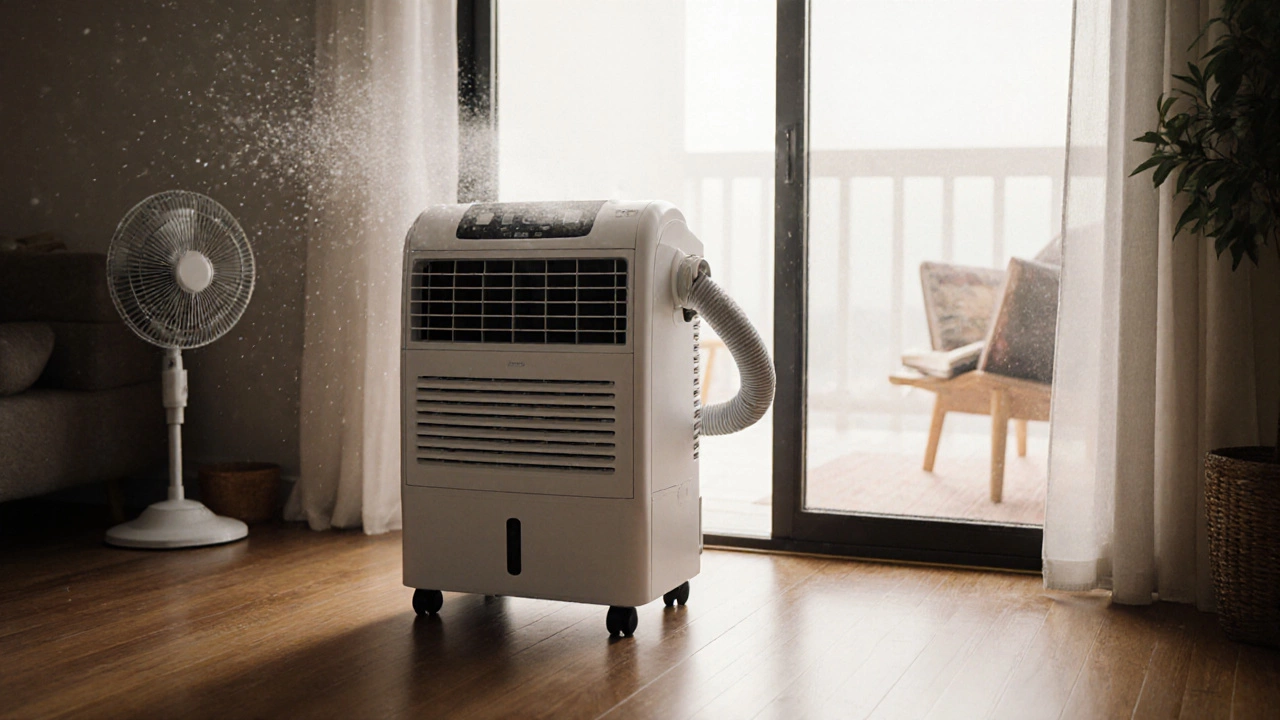
Find the best spot for your portable air conditioner to cool efficiently without wasting energy. Learn where to place it, what to avoid, and how to make it work better in any room.