
When you think of smart home security, a system of connected devices like cameras, locks, and sensors that monitor and protect your home. Also known as connected home security, it lets you check on your house from your phone, get alerts when someone enters, and even lock doors remotely. But here’s the catch: the more devices you add, the more ways hackers can slip in. A smart lock is useless if your Wi-Fi is weak, and a camera that streams to the cloud might be broadcasting your life to strangers if you don’t set it up right.
smart home devices, everything from doorbells to thermostats that connect to your home network. Also known as IoT devices, they’re meant to make life easier—but they also create blind spots. Many people buy a smart camera because it’s cheap, skip changing the default password, and never update the firmware. That’s like leaving your front door open with a sign that says ‘Come in.’ The same goes for voice assistants, smart plugs, and even your fridge. Each one is a potential backdoor. And when these devices talk to each other, a single weak link can compromise your whole network. That’s why home network security, the practice of protecting all devices connected to your home Wi-Fi. Also known as residential cybersecurity, it’s not just about passwords—it’s about isolating devices, using strong encryption, and turning off features you don’t need. You don’t need a fancy router to start. Just change the default name, turn on two-factor login, and keep firmware updated.
Most people think smart home security means buying the latest camera with facial recognition. But the real win? Knowing what to avoid. A $200 camera that sends data to a server in another country might be less safe than a $50 one that stores footage locally. And if your smart lock runs on a battery that dies every three months, you’re not secure—you’re just annoyed. The posts below cut through the noise. You’ll find real talk on how to lock down your network, which smart cameras actually protect you (and which ones just spy for advertisers), how to stop your voice assistant from recording everything, and why your smart thermostat might be the weakest link in your home.
There’s no magic button to make your home secure. It’s a series of small, smart choices. And if you’re tired of being sold fear-based marketing, you’re in the right place. Below, you’ll find clear, no-fluff guides that show you exactly how to make your smart home work for you—without handing your privacy over to a tech company.
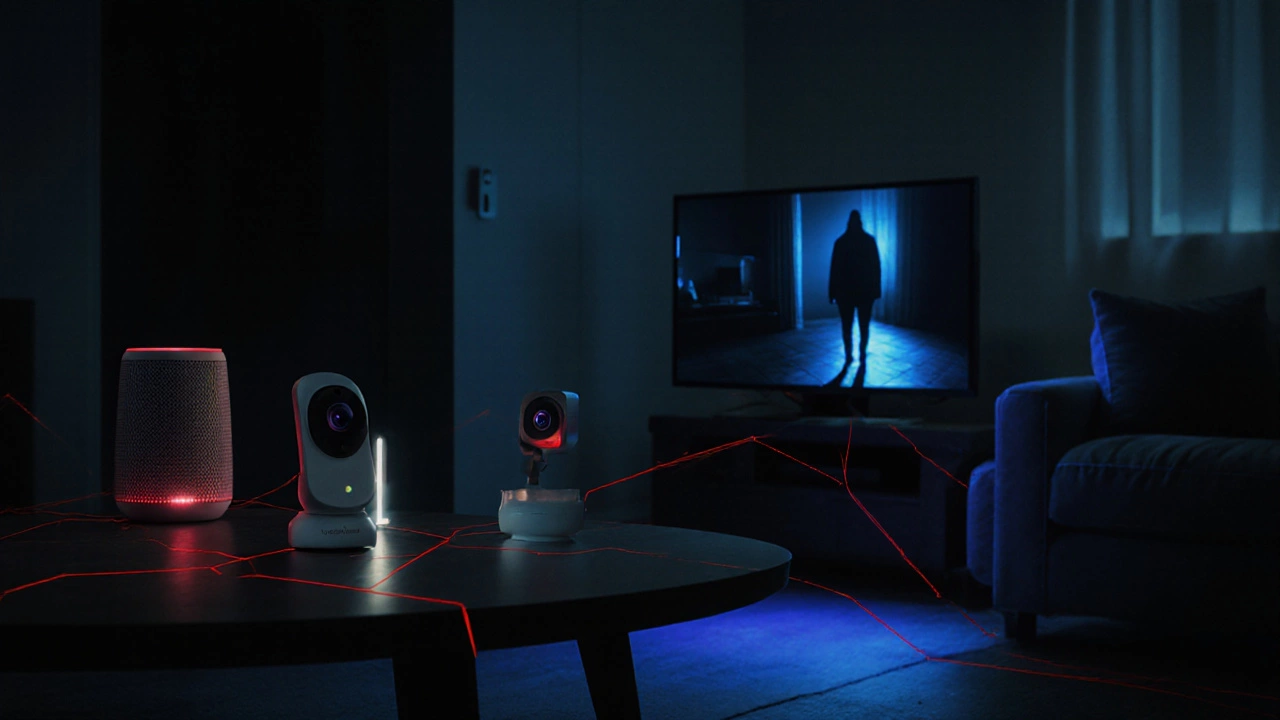
Smart homes offer convenience but come with real security risks. Learn how hackers target devices, what vulnerabilities to fix, and simple steps to protect your family and data today.