
When you start a smart home conversion, the process of adding connected devices like smart locks, thermostats, and voice assistants to make your home more automated and convenient. Also known as home automation, it’s not just about fancy gadgets—it’s about changing how you live every day. But here’s the thing: most people skip the hard parts. They buy a smart lock because it looks cool, plug in a camera because their friend has one, and then wonder why their phone keeps alerting them at 3 a.m. or why their Wi-Fi slows to a crawl.
The real issue isn’t the tech—it’s the smart home security, how well your connected devices protect your home from hackers, data leaks, and remote intrusions. A 2023 study by a UK cybersecurity group found that over 60% of smart home setups had at least one easily exploitable flaw—like default passwords, unpatched firmware, or devices connected to the same network as your phone and laptop. That’s not a glitch. That’s a door left wide open. And it’s not just about your TV being hacked. It’s about someone listening through your baby monitor, unlocking your front door, or turning off your thermostat in winter.
Then there’s smart home privacy, how your data is collected, stored, and sometimes sold by the companies making your smart devices. Your voice assistant doesn’t just remember your coffee order—it logs when you wake up, when you leave, what you talk about in the kitchen, and even how long you spend in the bathroom. Most users don’t realize these companies keep that data for years, and many share it with third parties. You don’t need to be a tech expert to fix this. You just need to know what to turn off, which devices to avoid, and how to set up your network so your smart devices can’t talk to the internet unless you say so.
And let’s not forget home automation safety, the practical risks of relying on machines to control lights, locks, and appliances. What happens when your smart thermostat fails in a heatwave? Or your door lock loses power during a blackout? Or your dishwasher turns on while you’re away because of a glitch? These aren’t sci-fi nightmares—they’re real problems reported by homeowners across the UK. The right setup doesn’t just make life easier. It keeps you safe when things go wrong.
That’s why the posts below aren’t just product reviews or gadget lists. They’re real-world checks. You’ll find out why a smart lock can be a liability if not set up right, how your microwave might be spying on you (yes, really), and which devices actually save you money versus which ones just eat electricity and privacy. You’ll learn how to protect your network, avoid common smart home traps, and pick tools that work for your life—not the other way around. No fluff. No hype. Just what you need to make your smart home conversion actually work—for you, your family, and your peace of mind.
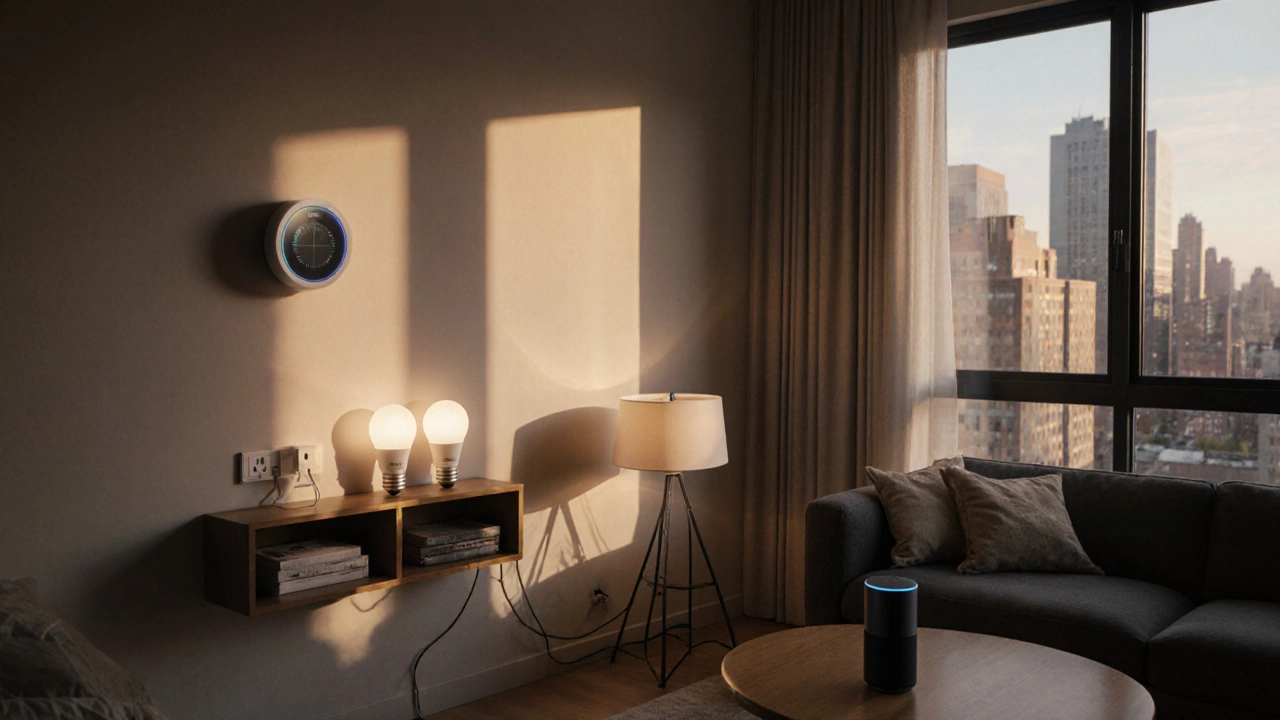
Learn the real cost of turning your home into a smart home in 2025 - from budget-friendly setups to full automation. See what devices actually save money and what to skip.