
When it comes to the microwave oven, a common kitchen appliance that uses electromagnetic radiation to heat food quickly. Also known as a microwave, it’s one of the most misunderstood devices in the home. Many people still believe it’s dangerous, ruins nutrients, or can’t be used for anything beyond reheating leftovers. But those ideas? Most of them are outdated—or just plain wrong.
Take microwave safety, the concern over radiation leaks or harmful emissions from microwave ovens. The truth? Modern microwaves are built with strict shielding standards. Unless the door is damaged or the seal is broken, no radiation escapes. The FDA has tracked this for decades, and there’s zero evidence of harm from正常使用. The real risk? Superheating water—where liquid heats past boiling point without bubbling, then suddenly erupts when disturbed. That’s not radiation. That’s physics. And it’s easy to avoid by placing a wooden stir stick in your cup before heating.
Then there’s the myth that microwaves destroy nutrients. Actually, they preserve more vitamins than boiling or frying. Water-soluble nutrients like vitamin C and B vitamins leach out in boiling water. Microwaving uses less water and less time, so more nutrients stay put. A 2009 study from the Journal of Food Science showed microwaved broccoli retained more antioxidants than boiled broccoli. It’s not magic—it’s science.
And what about microwave hacks, creative, non-standard uses for microwave ovens beyond reheating? People use them to sterilize kitchen sponges (kill 99% of bacteria in 2 minutes), revive stale bread or chips, loosen jar lids, and even peel garlic in seconds. These aren’t internet fluff. They’re practical tricks backed by thermal physics. Your microwave isn’t broken if it doesn’t brown food—it wasn’t designed to. But it’s incredibly good at heating water molecules fast and evenly. That’s why it’s perfect for tasks you didn’t even know it could handle.
Another myth? You can’t cook real meals in a microwave. Try steaming vegetables, poaching eggs, or making mug cakes. There are entire cookbooks built around microwave cooking. You just need to adjust expectations. It’s not a replacement for an oven, but it’s a powerful tool when used right. The microwave cooking tips, practical methods to maximize efficiency and safety when heating or preparing food in a microwave you find in real guides—like stirring halfway, covering food, or using lower power settings—are the keys to avoiding dry, rubbery results.
So why do these myths stick? Because fear sells. A headline like "Microwaves Cause Cancer" gets clicks. A headline like "Microwaves Save Time, Nutrients, and Money"? Not so much. But the facts don’t lie. Your microwave isn’t a threat. It’s a time-saver, a nutrient-preserver, and a surprisingly versatile appliance—if you stop listening to old wives’ tales and start using it right.
Below, you’ll find real posts that bust these myths with clear, no-fluff facts. From how to safely use containers to the surprising things your microwave can do beyond reheating, you’ll walk away knowing exactly what to trust—and what to ignore.
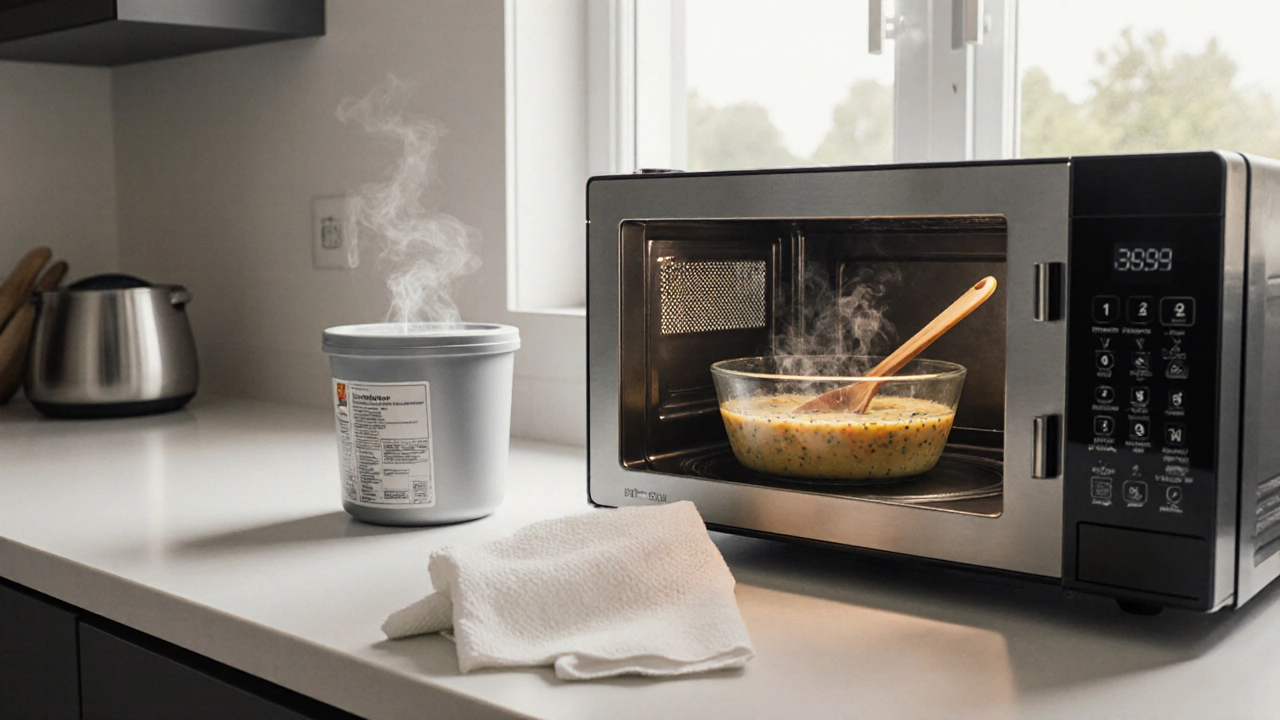
Learn the real do's and don'ts of using a microwave oven to avoid accidents, save time, and cook food safely. No myths-just practical tips based on how microwaves actually work.