
When you rely on your electric kettle, a fast, efficient appliance for boiling water at home. Also known as a kettle boiler, it’s one of the most used gadgets in the kitchen—yet most people never think about how to care for it properly. A well-maintained electric kettle can last over five years. A neglected one? It might start sputtering, heating slowly, or even break down in under two. The problem isn’t always the brand—it’s what you’re not doing.
Hard water is the #1 killer of electric kettles. Minerals like calcium and magnesium build up inside, forming limescale that coats the heating element. That layer makes your kettle work harder, uses more electricity, and slows down boiling time. You might think it’s normal for your kettle to take longer now, but it’s not. Regular descaling, the process of removing mineral buildup from the interior with vinegar or citric acid fixes this. Do it every 4–6 weeks if you live in a hard water area. Skip it, and you’re paying more for electricity and shortening the life of your appliance.
Don’t just clean the inside. Wipe the outside with a damp cloth after each use. Water spots, splashes, and fingerprints don’t just look bad—they can lead to corrosion on metal parts or damage plastic surfaces over time. Never immerse the whole kettle in water. The base has electrical components that can get ruined. And never leave water sitting in the kettle after use. Stagnant water encourages bacteria and speeds up scale buildup. Empty it. Dry the spout. Simple habits like these add years to your kettle’s life.
Also, avoid boiling dry. If you accidentally turn on the kettle with no water, the heating element can overheat and burn out. Most modern kettles have auto-shutoff, but that’s not a guarantee. Always check the water level before flipping the switch. And use filtered water if you can. It doesn’t have to be expensive bottled water—just a basic pitcher filter cuts down on minerals entering your kettle in the first place.
You might not think of your kettle as a high-tech device, but it’s got a heating coil, thermostat, and sometimes even temperature controls. Treat it like the precision tool it is. A little attention goes a long way. You’ll save money on replacements, cut your energy bill, and always have fast, clean boiling water when you need it.
Below, you’ll find real advice from people who’ve been there—cleaning hacks that work, what not to do, and how to spot the early signs your kettle’s starting to fail. No fluff. Just what actually helps your electric kettle last longer and perform better.
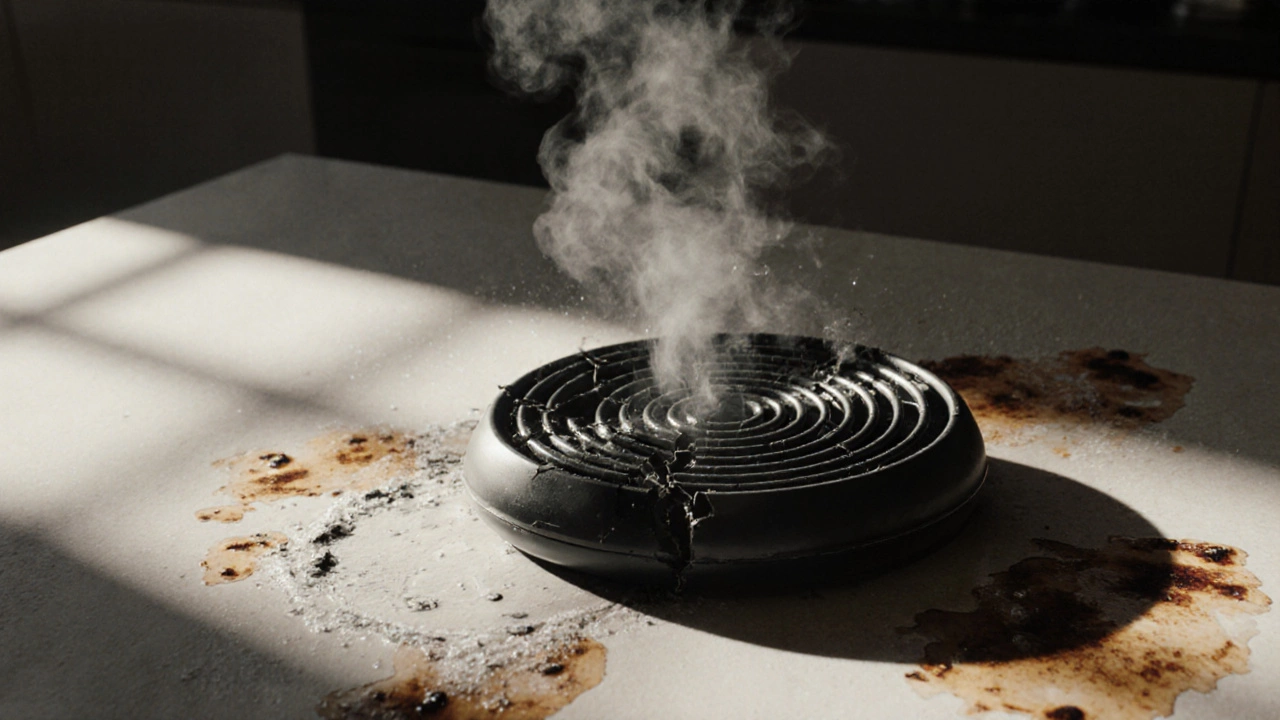
Electric kettles are convenient but dangerous if misused. Learn the 7 critical mistakes to avoid-like boiling empty, using it for milk, or skipping descaling-to stay safe and extend your kettle’s life.